What We Do in a Year Like This
Welcome to 2026. As we settle into the new year, let’s stay present, notice what’s changing, and look out for one another.

I started this post by writing that 2026 was going to be a wild ride. Then the year started, and that description felt much too tame.
Almost everyone I talk to is carrying some kind of worry, even if the details look different. Some are anxious about losing a job or health insurance. Some are watching prices climb faster than their paychecks. Some are afraid of losing legal protections they’ve relied on for years. Others can’t quite name it, but they feel the ground shifting under their feet. However it shows up, most people can sense that something about this moment is different.
What I'm noticing is how things that used to be whispered or brushed off as exaggeration are now happening in plain sight. Biases and prejudices that once hid behind polite language are now spoken from podiums, posted on official accounts, and turned into rally applause lines. You can see it in states losing federal funding, in immigrants being targeted, in people being denied the gender‑affirming and reproductive healthcare they need to stay safe and well. The quiet part isn’t quiet anymore.
What we’re seeing now has happened in different forms before, but it feels new when we’re living through it. These periods of concentrated power don’t last forever, but they can last a while. And in moments like this, how we care for each other matters. When communities choose to protect and care for each other, these times become gentler and safer for everyone.
To get through a year like this, we need to stay awake to what’s happening around us, in our own lives, in our neighborhoods, and in the places where decisions are being made. Notice what’s shifting. Notice who is being affected and whose voices are being left out. Notice, too, the history underneath this moment. The policies and agendas we’re seeing now didn’t appear out of thin air; many have been in motion for generations. Seeing that longer arc helps us understand the stakes clearly.
Paying attention also shows up in small, ordinary ways. It’s in the parent at pickup who seems distracted, the friend suddenly talking about job security, the neighbor worried about medication costs. It’s in our own reactions too: the tight shoulders, the shorter patience, the urge to shut down. These everyday cues tell us the world around us is shifting. Noticing them will make it easier to meet this year with intention and connection instead of shutting down or pulling back.
We don’t get to choose the timing of a year like this, but we do get to choose how we move through it. We can look out for each other, share accurate information, check in on people who might be carrying more than they’re saying, and make sure our neighbors know what support resources exist. None of this fixes the national picture, but it makes a real difference close to home.
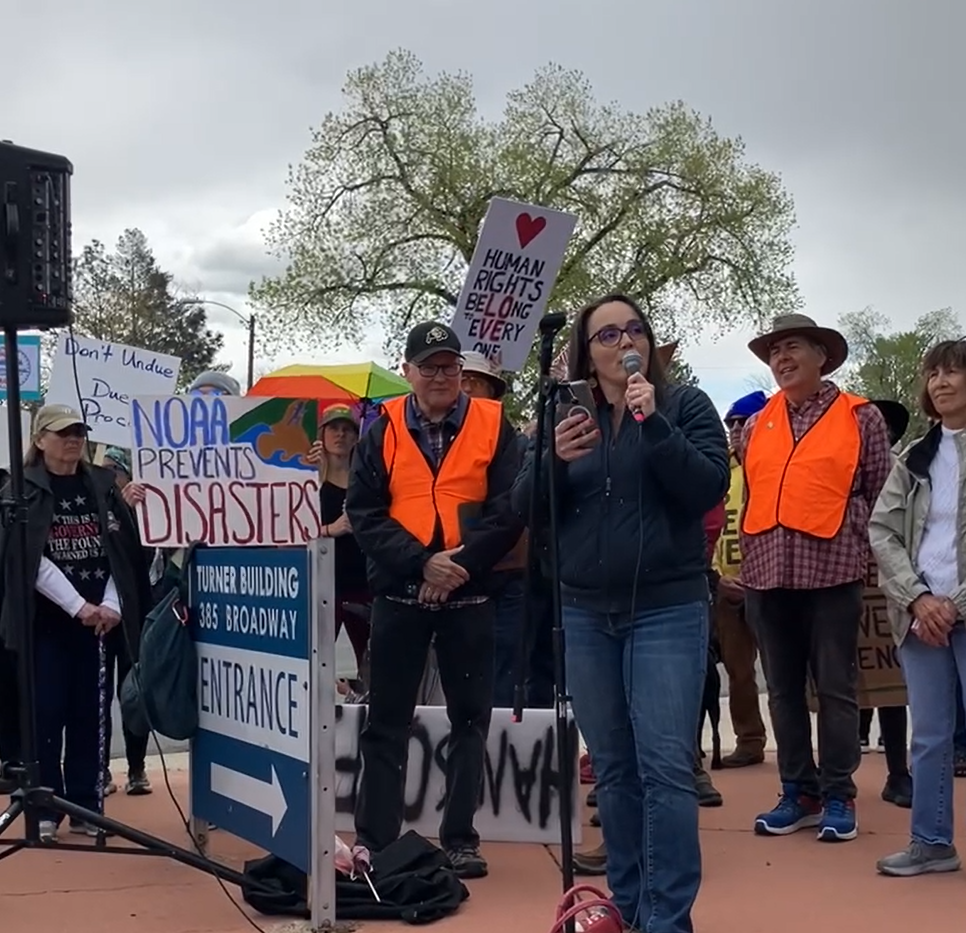
Staying engaged matters, especially locally. The routine decisions made in our cities, counties, and school districts shape daily life far more than most people realize. That’s why I’ve reworked this website for 2026, to make it easier to track local issues, see what Council is considering, and understand how local decisions impact our lives. When we show up, pay attention, and stay involved, our local decisions get better and more people benefit.
That’s the work in front of us: stay awake, stay engaged, and take care of each other. That’s how we get through a year like this.