A love letter to a city in crisis
Boulder’s civic culture is breaking. We must choose compassion over dehumanization, or we will lose our way.
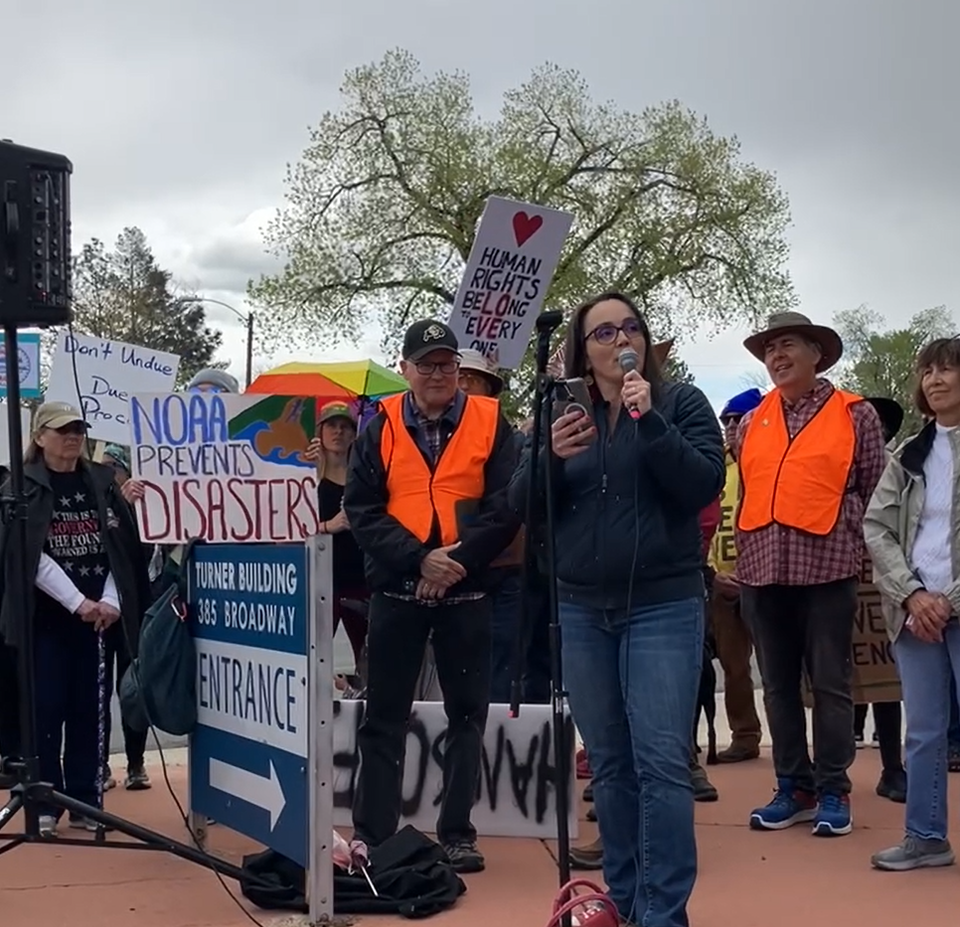
This week's newsletter will likely be my last for the year. Retraining for a new career at 49 is a lot, and beyond learning how to be a nurse, I need more space to tend to my spirit so I can stay grounded and effective as a local elected official and keep showing up for our community.
Over the past couple of years, I’ve seen increasingly concerning patterns emerging in our civic life: years of antisemitism directed toward my Jewish colleagues, a constant drip of casual and not-so-casual racism directed at my Black colleagues, a growing disdain for people who work for a living, and increasingly personal attacks on Boulder’s mayor and city staff.
I could write a book about the toxic and undemocratic behavior I’ve witnessed from community members during my years on City Council, but here’s one recent and concrete example of where we are at: A couple of weeks ago, a mayoral candidate created and circulated a video game that normalizes violence and dehumanization toward other candidates. The game portrayed the candidates as cartoon fighters who literally punch each other over policy differences. It initially included a racist caricature of our city’s only Black councilmember, too. That part was removed, but the rest is still up.
I’m heartbroken as a constant witness to, and sometimes target of, this increasingly dehumanizing behavior toward Councilmembers, city staff, and groups with marginalized identities, not only because it is cruel but also because it does not solve the problems we are facing.
Many of the frustrations people feel right now are valid. Our public systems are strained, and our challenges are enormous. It makes sense that people are hungry for change and drawn to “new” voices offering bold promises and quick solutions. But in Boulder, that hunger for something different is increasingly scapegoating individuals or entire groups of people like city staff, elected officials, Jews, people of color, students, and workers in general. And I’m afraid we’re losing sight of the work we all need to do together to repair our challenged systems.
The foundations of the problems we face in 2026 were laid millennia ago. They are systemic. Blaming individuals or entire groups of people won't fix them, and creating division through fear and mistrust only makes them worse.
You may be reading this and thinking:
“I don’t do these things.”
“I try to be kind.”
“I would never disparage someone I don’t even know.”
If that’s true for you, I’m grateful. And I want to invite you to notice what happens around you and consider how using your voice to speak out against the growing tendency to dehumanize and blame individuals and groups in our community for every problem we’re facing might help us get to a better place.
Our silence in these moments of increasing harm has lasting consequences. It is easy to tear a community down with cruelty, intimidation, and lies. It is much harder to build one up.
Dr. Martin Luther King, Jr. taught that the means we use become the ends we seek. If we use exclusion, we build exclusion. If we use cruelty, we build cruelty. If we use lies, we build a community where truth no longer matters.
Democracy, compassion, and truth are muscles that need constant conditioning. They will atrophy if we don’t use them regularly.
Our city is facing failing infrastructure, a climate crisis, budget shortfalls, rising costs of living, and economic and national instability. I understand that these major stressors make it harder to stay patient and connected to each other. I feel that too. I also believe we must choose a different path forward than the one we are currently on.
During my years on our City Council, I’ve worked to make government more transparent and help people understand how things work. I’ve done this work because I believe most people, given factual information and a chance to reflect, want to act fairly and with compassion for their neighbors.
But the level of unchecked scapegoating and lies in our civic environment is threatening this core belief and, consequently, my ability to stay in this community.
I need to put a little more time into protecting my hope in us, or I risk burning out.
For this reason, I will be taking a break from my newsletter, blog, and office hours to tend to my hope and stay effective in the work you elected me to do.
We will all need to be a part of rebuilding our community, and every day we wait to get started makes the work harder. So, I hope you’ll spend the time you used to spend reading my newsletter thinking about what you can do to rebuild our sense of community in the face of rising hostility and mistrust toward people with different knowledge, identities, and beliefs.
It may be speaking out when you see people or groups being blamed for a systemic problem. It may be sending Councilmembers or city staff a note of gratitude for their service. Or it may be sending a letter to the editor or writing a social media post in response to harm you witness around town.
My call to action is for you to do something, because our civic culture in Boulder is breaking in a way that isn't happening in most other cities in the county, the state, or even other regions of the country. It will take all of us to restore Boulder’s commitment to our shared humanity and rebuild our sense of community.
If we choose not to fight back against the blame, fear, and dehumanization we are witnessing in these strange times, we may soon wake up in a civic culture we no longer recognize. And by then, it will be much harder to find our way back.